Race course inspection basics
Time to work on course inspection.
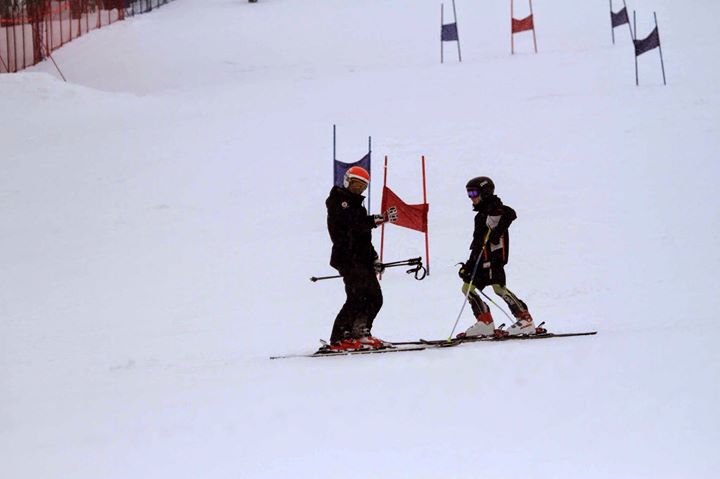
What is course inspection
Put plainly, we need to understand the course we will be racing on, make a plan, and then execute the plan. On the psychological side, remembering the course and visualizing it will prepare for a better performance than otherwise.
What do we look for
We need to look for those things that will help us plan the run: gate layouts, rythm changes, combinations and terrain.
Snow conditions are important: is the snow going to hold well? Will there be ruts and where?
Lighting: flat light may require a safer line while a very good visibility could let you increase the risk factor.
See Environment elements and tactics for the elements we need to pay attention to and how they'll affect the plan.
How to look
There are several ways to inspect, depending on snow condition you may be allowed to get close to any gates or not. You may have to slide down the side of the hill and inspect from a distance.
In general, spend more time looking down than looking up: you will not ski the course backwards and you'd want to memorize how it looks when you'll actually ski it.
For the same reason, while you are not allowed to ski the race line, try to get on the race line when inspecting: stop at the gate and look down, planning the line.
Counting
Normally, you focus on the important points and look at the environment, to try to get some reference points: it's steep after the funny tree. After the second roller, there is a hidden chickane etc and then visualize that to remember the flow of the course and the important points.
Some prefer to count the gates in a section... "4 banana, 5 offset, 3 flat etc". You could try that approach, it never worked for me as I can't keep track of the counting when the going gets tough.
Brief
Don't talk a lot and don't give out too much advice. It will not be remembered. Just point out the combinations and ask the racers to think it through. Talk them through, if you find something interesting or not obvious to them.
Sections
Don't try to remember every gate, especially with lower age groups. Break the course down into sections, such as:
- corridors
- combinations
- terrain changes
Focus on each section and the changes from one to the other. Remember each section and make a plan for each.
Then repeat the sections at the bottom of the course. Repeat them at the top and work on visualizing it.
Course reports
Course reports during the race will need to be brief and focused on changes. If the changes are not big enough, the course report should be "run as inspected".
Any changes should be related to the sections identified during inspection "the delay after the first roller" or "the second corridor". This is another reason breaking the course down into sections and remembering them is important.